


No. You do not need an easel to paint a paint by numbers canvas, and most people finish theirs on a kitchen table. An easel helps in specific circumstances — large canvases, long sessions, or a neck and back that complain — and this article covers when it is worth it and what to use instead when it is not.
The short version
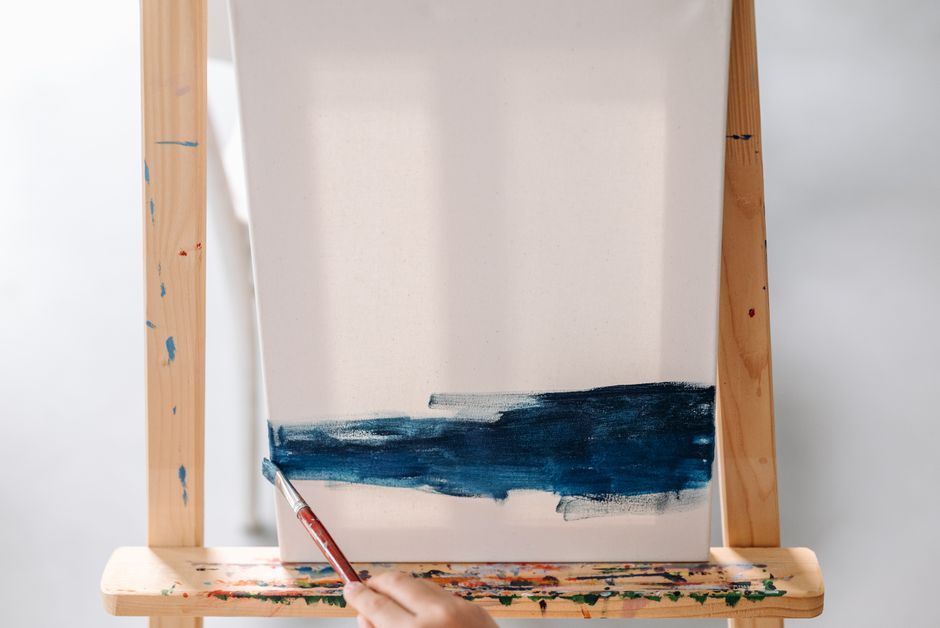
- An easel is optional. Plenty of good canvases are painted flat on a table.
- What it mainly buys you is posture and a better viewing angle.
- A slanted board, a stack of books, or a tabletop stand does most of the same job for nothing.
- If you do buy one, canvas size and how much room you have matter more than price.
What an easel actually solves
Your neck
This is the real argument for one. Painting on a flat table means looking straight down for hours, and that is what leaves people stiff. Even tilting the canvas to thirty or forty degrees changes the angle of your head enough to make a long session comfortable.
If you have ever stopped painting because your neck or shoulders had had enough rather than because you wanted to stop, this is the fix.
Seeing what you are doing
A canvas viewed flat from above is foreshortened — the far end looks compressed. Upright, you see the picture as it will actually hang, which makes it much easier to judge whether a section is finished and to spot patches you have missed.
It also lets you step back. Standing away from a painting for a moment is the single quickest way to see what is wrong with it, and you cannot do that with a canvas lying on a table.
Space and mess
An upright canvas frees the table for your paints, water and cloth, and drips run down the canvas rather than pooling on the surface underneath.
When you genuinely do not need one
Small canvases are comfortable flat, and short sessions do not last long enough for posture to matter. If your canvas is unframed and floppy, it needs support behind it anyway, and a board is the simpler answer.
There is also a practical point about wet paint: a canvas propped near-vertical will let very thin paint run. If you are thinning with water, keep the angle shallow.
Alternatives that cost nothing
- A slanted board. Any rigid board propped on a book or two gives you a working angle. This is the closest free substitute for an easel and it is what most people should try first.
- Books behind the canvas. Propping the canvas against a stack on the table gets it upright immediately.
- A lap desk. Comfortable in an armchair, and fine for smaller canvases. Less stable for anything large.
- A cardboard stand. A folded triangle of stiff card taped to the back of a frame works perfectly well, if not elegantly.
Types of easel
Tabletop
Small, sits on a desk or table, folds away. For paint by numbers this is almost always the right choice: the canvases are not large, and you will usually be sitting down.
Floor standing
Taller, holds larger canvases, and lets you work standing. Good if you paint often or have somewhere to leave it set up. It takes real floor space, which is the main reason people regret buying one.
Adjustable and folding
Worth having on either type. Being able to change the height and the tilt is what makes an easel comfortable rather than just upright.
What to look for
- Stability. A wobble transfers straight into your brushwork. This matters more than anything else on the list.
- Size. Big enough for your largest canvas, small enough for the room it lives in.
- Adjustability. Tilt and height.
- Material. Wood is heavier and steadier; metal is lighter and usually cheaper. For a tabletop easel either is fine.
A simple tabletop easel or a lightweight standing easel is enough for paint by numbers. The heavy studio easels are built for large stretched canvases and oil painting, and they are more equipment than this needs.
A note on Ledgebay kits
Our framed kits include a small tabletop easel, so if you have one of those you already have what you need. The unframed canvases do not include one — they ship rolled, and a rigid board behind the canvas is the more useful thing there in any case.
You can see which is which in the shop.
Tips that matter more than the easel
- Get the light right. An adjustable lamp to the side, so it does not glare off wet paint. This makes more difference than any stand.
- Let a rolled canvas flatten first. A day lying flat, or under a few books, before you paint on it.
- Start with the dark colors and work toward the light ones. More on why that order helps.
- Keep a magnifier nearby for the smallest sections. Most people need one eventually and there is nothing wrong with using it.
- Let mistakes dry before correcting them. Wet paint smears; dry paint covers.
- Take breaks. Close work tires the eyes, and tired eyes make the numbers harder to read.
Common questions
Do I need to be able to paint to do a kit?
No. The colors are chosen and premixed and the shapes are printed. What you are practicing is brush control and patience.
How long does a kit take?
Typically ten to twenty hours, which most people spread over a few weeks. It is designed to be picked up and put down.
Should I frame before or after painting?
If your kit came with a wooden frame to assemble, put the canvas on the frame first. Painting a loose canvas and stretching it afterward risks cracking the paint along the edges. Our guide to framing a paint by number canvas covers the options.
How should I clean the brushes?
Rinse when you change colors, and wash properly with water and a little mild soap at the end of the session. Reshape the point and dry flat. There is more in our guide to choosing and caring for brushes.
Do I need to seal the finished painting?
Not strictly, but a varnish protects it from dust and evens out the patchy sheen where some colors dried glossier than others. Let the paint cure for several days first — this guide covers the order.
Where to go from here
If you are starting out, paint on a table and see how you get on. If you find yourself stopping because of your neck rather than because you have finished for the evening, that is the moment an easel is worth the money — and a tabletop one will do.
You can browse the designs in the shop, turn a photograph into a custom canvas, or look through the customer gallery.


