


A rolled canvas is a paint by numbers canvas that ships flat in a tube instead of stretched over a wooden frame. It costs less, stores easily, and lets you choose your own framing later. A pre-stretched canvas costs more and is ready to hang the moment you finish.
Which one suits you comes down to three things: what you plan to do with the painting when it is done, how much preparation you are willing to do first, and whether the kit is for you or for someone else. This guide covers the difference honestly, including what a rolled canvas is genuinely worse at.
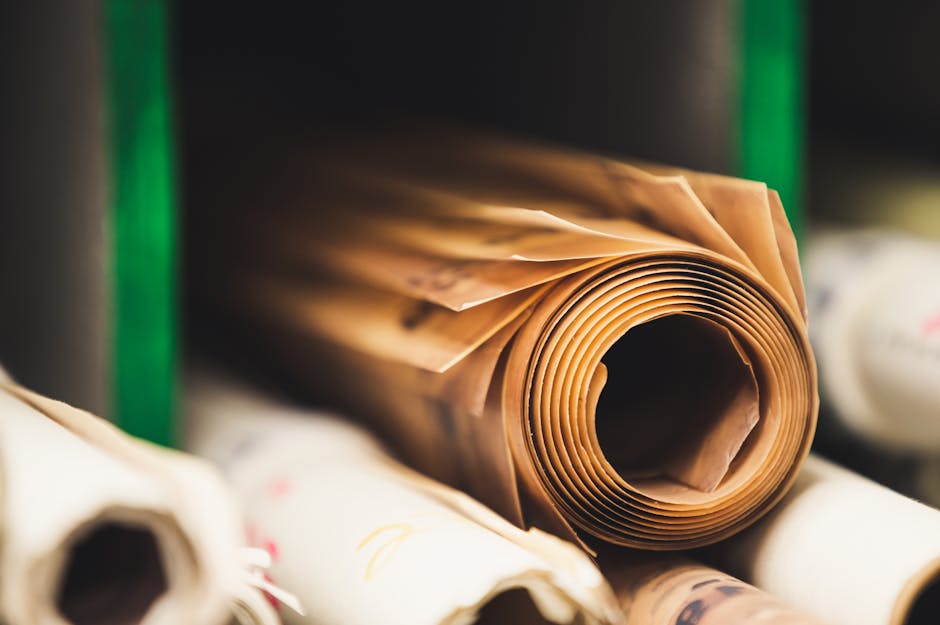
What a rolled canvas actually is
The canvas material itself is identical. The difference is only whether it has been mounted on a wooden stretcher frame before it reaches you.
- Rolled (unframed). Printed, cut, rolled into a tube. Cheaper to make and cheaper to ship, so it is cheaper to buy. You paint it flat on a table and decide how to display it afterward.
- Pre-stretched (framed). Already mounted on a wooden frame, ready to paint and then hang straight away. More convenient, more expensive, bulkier to store.
Both are the same painting experience once you start. The decision is about the beginning and the end, not the middle.
Rolled does not have to mean creased
The usual complaint about rolled canvases is creasing, and it is a fair one — but it is a packing problem rather than something inherent to a rolled canvas. A canvas that has been folded arrives with hard lines through it that never fully come out. A canvas that has been rolled into a tube arrives flat.
This is the single thing Ledgebay customers mention most often in reviews, usually by comparison: kits from elsewhere that arrived folded in a flat envelope with creases across the image. Every Ledgebay canvas ships rolled in a tube for exactly this reason.
If your canvas does arrive with a curl from the tube, it will relax on its own. Unroll it, lay it face up on a flat surface, and weight the corners with books overnight. That is usually all it needs.
The honest disadvantage
Here is the part most guides leave out. An unframed paint by numbers canvas is trimmed fairly close to the printed edge. That is fine for taping it to a board, mounting it, or having it framed conventionally — but it does not leave enough margin to stretch over your own wooden stretcher bars the way a blank artist's canvas would.
So if your plan is "I will buy the unframed one and stretch it myself when it is done," check the border before you order. If your plan is "I will get it framed at a shop" or "I will mount it on a board," rolled is a sensible way to save money.
Our guide to framing a finished paint by number canvas covers the practical options.
Which to choose
Choose rolled if: you want the lower price, you have somewhere flat to work, you already know how you want it framed, or you are storing it for a while before starting.
Choose pre-stretched if: it is a gift, you want to start painting the moment the box opens, you would rather not deal with mounting afterward, or you want the tabletop easel that comes with the framed sizes.
For a gift, framed is almost always the right answer. It removes every remaining decision from the person receiving it, and there is nothing left for them to buy.
Custom kits come both ways
If you are having a canvas made from your own photograph, the same choice applies. Custom Paint by Numbers is available in 12x16, 16x20 and 18x24, each framed or unframed, and it is printed and shipped in the USA rather than drop-shipped from overseas.
A few things worth knowing if you are weighing custom against a stock design:
- Go up a size if your photo has more than one face in it. Every face needs enough sections to look like that particular person.
- The framed version arrives pre-stretched with a tabletop easel; the unframed does not include the easel.
- You can add one or two spare paint sets at checkout, which is worth doing if the image has a lot of one color.
Finished examples, custom and stock, are in our customer gallery — all of it sent in by the people who painted it.
Setting up to paint a rolled canvas
You need very little: a flat, well-lit surface, a jar of water, paper towels, and somewhere the canvas can sit undisturbed between sessions.
- Unroll the canvas and let it settle flat, weighting the corners if it wants to curl.
- Tape the edges down or work on a board so it cannot shift under the brush.
- Start with the darkest colors and the largest areas. Darks cover the printed numbers in one coat; pale colors often need two.
- Let each section dry before working next to it. Acrylic dries quickly, so this is rarely a long wait.
If you are new to this entirely, our beginner's guide covers the rest.
Looking after it once it is painted
Let the paint cure properly — touch-dry is not the same as cured, and acrylic keeps hardening for days. Once it has, a coat of clear varnish protects the surface and evens out the finish.
If you need to store or transport a finished rolled canvas, roll it loosely with the painted side facing outward, around a wide tube rather than a narrow one, with a sheet of smooth plastic over the paint. Rolling paint-side in compresses the paint film and can crack it. Store it upright, at room temperature, and unroll it again as soon as you can — long spells in a tube set creases permanently.
Common questions
How do I flatten a rolled canvas?
Unroll it, lay it face up on a flat surface and weight the corners overnight. That is enough in almost every case. If a stubborn curl remains, a warm — not hot — iron on the reverse, with a cloth between, will relax it. Never iron the printed side.
What comes in a paint by numbers kit?
A numbered canvas, a set of acrylic paints, brushes, and a printed color reference. Ledgebay kits also include an 11x17 printout of the design so you can check a section without leaning over the canvas, and the paints are vacuum-sealed so they arrive moist rather than half dried. Framed sizes include a tabletop easel.
Can I get extra paint if I run out?
Yes. Every stock design has a matching extra paint set, and custom orders can add one or two spare sets at checkout. Running low on a heavily used color is the most common thing people write to us about, so it is worth planning for if your image leans hard on one shade.
How long does one take?
Most people spend ten to twenty hours, a bit at a time over a few weeks. Nothing spoils if you leave it between sessions.
Is a rolled canvas worth it?
If you want to spend less and you are happy to sort out framing yourself, yes. If it is a gift, or you want to hang it the day you finish, pay the difference for the pre-stretched version.


