


A printable paint by number is a digital file: an outlined, numbered design you print at home and paint yourself. They cost a fraction of a kit, sometimes nothing at all, and they are a completely different activity from painting a canvas.
Here is the honest comparison, including the part most pages leave out.
What you are actually buying
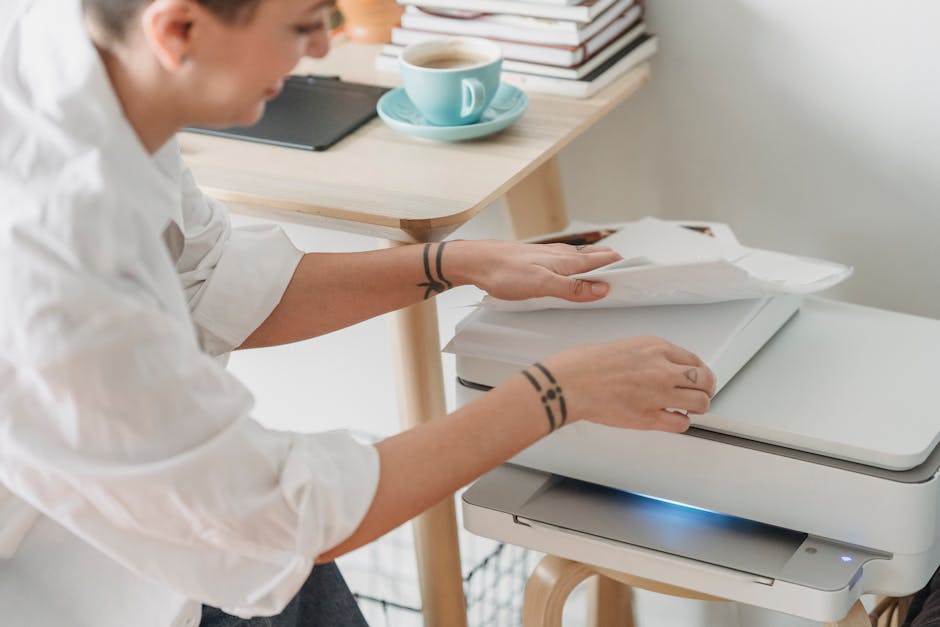
With a printable you are buying the design and nothing else. You supply the paper, the paint, the brushes and the color matching.
With a kit you are buying a pre-printed canvas, a set of paints already mixed to match that specific design, brushes and a reference sheet. The design is arguably the least valuable part of it.
That difference is the whole comparison. Everything below follows from it.
The paper problem, which is the real one
Ordinary copier paper is about 80gsm, and it is not built to take a wet medium. Acrylic on it does three things:
- It cockles. The paper absorbs water, swells unevenly and buckles into ridges that will not flatten afterwards.
- It pulps. Work an area twice and the surface fibers lift onto the brush.
- It can move the ink. Depending on your printer, wet paint over an inkjet line can smear it into the paint. Laser toner behaves better than dye-based ink here.
If you are going to do this, print on something heavier: 200gsm cardstock at minimum, matte photo paper, or a sheet from a canvas pad. Then test one wet brushstroke over a printed line in a corner before you commit an evening to it. Our overview of types of canvas for painting covers what canvas paper does differently.
The hidden work: matching the colors
This is what people underestimate, and it is the part a kit exists to remove.
A printable gives you a color key, usually as swatches on the screen. You then have to produce those colors yourself from tubes, which means mixing, and matching a mixed color against a swatch on a monitor is genuinely difficult. Screens are backlit and paint is not, so a color that matches on screen will look darker and duller on paper.
Worse, you have to mix consistently. If you mix your number 7 green today and run out on Thursday, you have to reproduce it from memory. This is the single most common reason a printable ends up abandoned, and there is no way around it except mixing more than you need and keeping it in a sealed pot.
If you are going down this route, our guide to acrylic paint sets covers the nine colors that will mix most of what you need.
Size and printing
A home printer stops at letter or A4. Anything larger has to be tiled across several sheets and joined, and the joins will show through pale paint.
That matters more than it sounds, because a smaller sheet means smaller numbered regions and smaller printed numbers, and legibility is already the most common complaint in this hobby. A design intended for a 16x20 canvas, squeezed onto a letter-size sheet, produces regions no brush can fill.
What you end up with
Paper. Which needs mounting and framing behind glass to look like anything, and which will discolor over years unless it is acid-free.
A stretched canvas, by contrast, is finished when you put the brush down. That is not a small difference when the whole point of the exercise was to have something on the wall.
A word about where printables come from
A large number of the templates sold and shared online are auto-converted from photographs the seller did not take, and from artwork that is still in copyright. Converting an image into an outline does not create a new work with new rights. It is worth a thought before paying for one, and worth more than a thought before selling anything you make from it.
When a printable is the right choice
- You want to find out whether you like the format without spending anything.
- You already have paints and brushes and would rather use them than acquire another set.
- A classroom or a group, where twenty copies of one design is the whole requirement.
- You want to practice a technique on something disposable.
- The design does not exist as a kit and you are prepared to do the color work.
When a canvas kit is the right choice
- You want the finished picture on a wall.
- You do not want to mix or match anything. The colors are already made, in the quantities that design needs.
- You want it to be restful. Every decision has been removed, which is the actual mechanism behind why people find these calming.
- You want a specific image. A photograph can be converted into a proper numbered canvas directly through our custom kits, in 12x16, 16x20 or 18x24, with the paints matched and supplied.
The short answer
A printable is a cheap way to try the idea and an expensive way to finish a picture, once you have bought paint, brushes and decent paper and spent the evenings matching colors. A kit is the opposite: more to buy up front, nothing to work out afterwards.
If you are curious about what the conversion process actually does to an image, either way, we have written it up in how a picture becomes a numbered canvas. Our own designs are in the full collection.


