


We should say at the top that we do not sell accessories. We sell numbered kits and matching replacement paint sets, and that is all. This page previously invited you to browse a range of Ledgebay brushes, canvases and storage that does not exist, which was wrong and has been removed.
What follows is what we would actually buy, from wherever you like.
What is already in the box
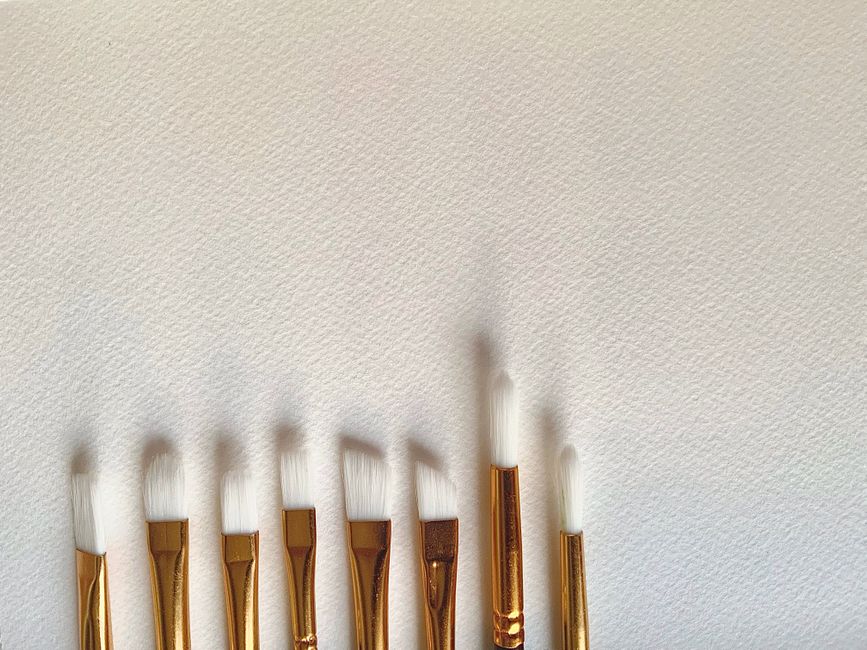
Before buying anything, know what you have. A kit of ours includes:
- The pre-printed cotton canvas, rolled in a tube rather than folded
- A full set of acrylic paints, vacuum-sealed so they arrive moist
- Brushes in a range of sizes
- Printed instructions and a full-color reference photo
- An 11 by 17 inch printout of the design
- A small wooden tabletop easel, on the framed sizes only
That is a complete project. Everything below is comfort rather than necessity.
The four things genuinely worth buying
1. A decent adjustable lamp
If you buy one thing, buy this. The most common complaint in this whole category is that the printed numbers are hard to read, and far more of that is a lighting problem than a printing problem.
What matters is the position more than the price. The lamp needs to come over your shoulder from behind, so it puts light onto the canvas without your head casting a shadow across the work. A ceiling light guarantees you are painting in your own shadow.
2. A magnifier
The finest sections of any kit are easier with one, and there is nothing embarrassing about it at any age. A lit magnifier on a stand is the better version because it leaves both hands free, but a plain handheld one costs almost nothing and will tell you within an evening whether you want the stand.
3. One good fine brush
The smallest brush in almost every kit, ours included, is the weakest of the set and it is doing the hardest work. A single decent fine round brush transforms the detail passages and the tidying-up at the end.
Look for a head that comes to a real point when wet rather than a blunt wedge, and synthetic bristles rather than natural hair, which holds too much water for acrylic. Our note on small paint brushes covers what to look for and how to keep it pointed.
4. Acrylic varnish
For the end, not the start. A thin, even coat a week after the last brushstroke evens out the patchy sheen between thick and thin passages and gives you a surface you can dust. Matte keeps the flat look of a numbered canvas; gloss deepens the colors and reflects more of the room.
A small bottle does several canvases and it is the difference between a painting that looks finished and one that looks like it is still drying.
Three things that cost nothing and help as much
- A second water jar. One to take the worst off, one to rinse clean. A single jar is gray soup within the hour and puts that gray into your next color.
- Two hardback books. Under the far edge of the canvas, tilting it fifteen or twenty degrees toward you. That tilt is where nearly all the neck ache comes from, and it is most of what an easel would give you. Our note on whether you need an easel goes into why the tall studio kind is the wrong tool here.
- A length of foam pipe insulation. Slid over a brush handle it turns a thin stick into something you can hold loosely, which matters a great deal for stiff or painful hands.
For an unframed canvas
Two extras are close to essential. A piece of foam board or hardboard slightly larger than the canvas, and a roll of low-tack painter's tape to fix it down flat. A loose canvas cannot sit on an easel and will not stay still on a table.
The thing to know is that an unframed canvas is trimmed close to the printed edge, so there is not enough spare material to stretch it over a wooden frame afterwards. Mounting works; stretching generally does not. Our guide to framing a finished canvas sets out what is realistic.
The one consumable you may actually run out of
Paint. Almost always one heavily used color, almost always the sky, almost always at about eighty percent done. It is the most common reason a canvas ends up in a cupboard.
We keep a matching extra paint set for every design for exactly this reason. A pot that has merely thickened, rather than dried solid, usually comes back with a drop of water and a proper stir.
What we would not bother with
- Big brush sets. Twenty brushes at a low price means twenty poor brushes. One good one beats the set.
- Floor and studio easels. Built for standing at a large canvas, which is the opposite of numbered work.
- Sealing sprays sold as a preparation step. A numbered canvas arrives primed and ready. Nothing needs putting on it before you paint.
- Paint pot organizers. The pots come in a tray, numbered. An extra tray solves a problem you do not have.
- Special paint-by-number brush pens. They hold very little, they clog, and they are harder to clean than a brush.
Our designs, framed and unframed, are in the full collection.


