


Starting a paint by numbers kit might look easy at first glance. The canvas is printed, the colors are labeled, and the supplies are all in the box. But if you’re not paying attention to a few small details, things can get frustrating fast. Colors run together, numbers disappear, and you might find yourself more stressed than relaxed. That’s where a simple paint by numbers guide really helps.
With a little planning and a slow, steady approach, you can avoid a lot of the common problems that come up. Whether you’re someone who paints often or you’re just opening your first kit, it’s helpful to know where mistakes usually happen so you can steer clear. This guide is here to help you enjoy the creative part more and fix little issues before they turn into big ones.
Choosing the Right Setup Before You Start
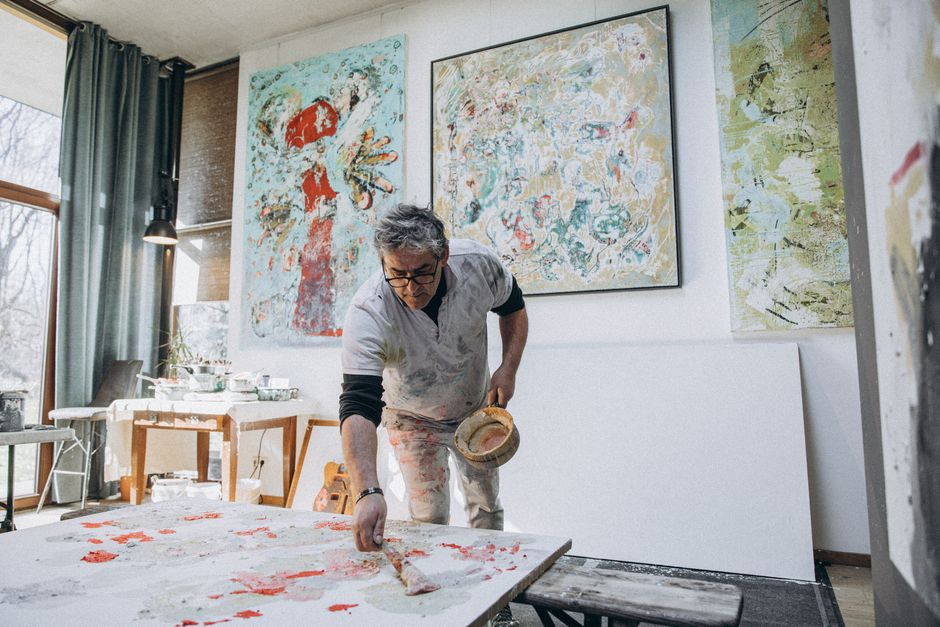
A good start makes the whole project easier. Taking a minute to set up your space can save you from a lot of frustration later. You don’t need a special art studio. Just a quiet corner and a few basic tools are enough.
• Choose a well-lit place so you can see the numbers clearly. Natural daylight is great if you have it.
• Use a flat, level surface so your canvas doesn’t slide around while you paint.
• Keep all your supplies within reach. Set out your water cup, paper towel, and something to rest your brush on.
• Lay your canvas flat and take a minute to study the lines. Look at how the shapes connect and where the colors will go.
A neat setup helps you keep your focus on painting, not on fixing small messes or finding missing brushes. Creating a tidy workspace can make a big difference in how much you enjoy the process. Being organized lets you move from one area to another with confidence, so you don’t need to interrupt your creative flow to search for tools.
Starting Too Fast Can Lead to Mistakes
It’s tempting to jump right in and start filling in the colors. But that’s one of the fastest ways to run into trouble. Rushing leads to uneven lines, missed numbers, or paint in the wrong spot. Taking your time lets you see how the paint covers, and gives you a chance to get comfortable with the brush.
• Begin with larger sections or lighter colors to get the feel of your brush and build a rhythm.
• Work slowly around corners and edge lines. This keeps things neat and gives you more control.
• Take regular breaks. Giving your eyes and your hands a rest can actually help you catch mistakes before they happen.
Slowing down at the start doesn’t mean dragging things out. It means giving yourself the space to enjoy the process and avoid problems that are harder to fix later. Enjoying each section as you go helps you stay relaxed and makes the painting experience much more enjoyable.
Cleaning and Caring for Brushes Matters
Brush care isn’t the most exciting part of painting, but it makes a big difference in how things turn out. A clean brush keeps your lines sharp and your colors strong.
• Rinse your brush every time you switch to a new color. Even a little leftover paint can muddy your next section.
• Wipe the brush on a paper towel or cloth to get rid of extra water before dipping it into fresh paint.
• Don’t let paint dry on the bristles. Once it dries, it hardens and changes the shape of your brush.
Taking five seconds to clean your brush properly saves you a lot of trouble later, especially when you’re working on small or detailed areas. Well-cared-for tools last longer and make painting smoother overall. Paying attention to your brush helps keep frustrations to a minimum and makes your finished artwork look better.
Watching Out for Paint Mix-Ups and Smudges
With so many tiny paint pots labeled with numbers, it’s easy to mix them up if you’re not paying attention. And once a wrong color goes down, it’s hard to take it back.
• Check the number on each paint pot before you dip your brush. Don’t assume you know it by heart.
• Paint with one dry hand. That way you’re not pressing onto the canvas and leaving smudges or handprints.
• Give each section time to dry before placing anything on top of it or reaching across the painting.
Wet paint moves easily, so an extra bit of patience here goes a long way. If you treat the painting like it’s still in progress until everything is dry, you’ll end up with cleaner results. Preventing mix-ups and smudges protects what you have already finished and saves time since you won’t have to go back to fix mistakes.
Finishing Touches Make a Big Difference
Once you fill in that last little space on the canvas, it can feel like you're done. But a few final steps can take your painting up a level.
• Let the painting sit flat and dry fully before you move it or frame it. This prevents smearing or denting.
• Step back and scan for any numbers still showing through. Light colors especially may need a second coat.
• Use your smallest brush to fix small details or sharpen lines that got too thick.
These last moments are where all the work comes together. A polished finish shows in quiet ways, like even edges or clean color sections, and it only takes a few extra minutes. Noticing these small details not only improves the final look but can make you feel more accomplished and proud of your work.
Painting Made Simple and Relaxing
Using a paint by numbers guide lets you skip the guesswork and keeps things calm. Every step becomes more about enjoying the creation than fixing avoidable mistakes. Finding a comfortable pace can help you enjoy every stage, from the first brushstroke to the last correction.
With a little prep, clean tools, and steady pacing, even a big or detailed canvas starts to feel manageable. Best of all, you get the quiet satisfaction of watching a new picture slowly take shape under your brush. By the time you’re finished, you don’t just have a painting, you have something you worked on with care, one number at a time.
Avoiding common painting mistakes is all about having trusted support and practical tips at your fingertips. At LedgeBay, we know that building good habits like cleaning your brushes and allowing proper drying time can make a world of difference. For even more ways to keep your projects on track, our simple paint by numbers guide has plenty of strategies to help you stay organized, work at a comfortable pace, and enjoy every step. Have questions or need help choosing a kit? Reach out to us, we’re always happy to help.


