


Canvas took over from wooden panel as the standard painting support during the fifteenth and sixteenth centuries, largely because it is light, can be made very large, and rolls up for transport. Those are still the reasons to use it.
What it is not is the most durable option. A panel will outlast a canvas, because canvas flexes, slackens with humidity and can be punctured. Canvas won on practicality, not permanence, and that is worth knowing before you pay extra for something described as archival.
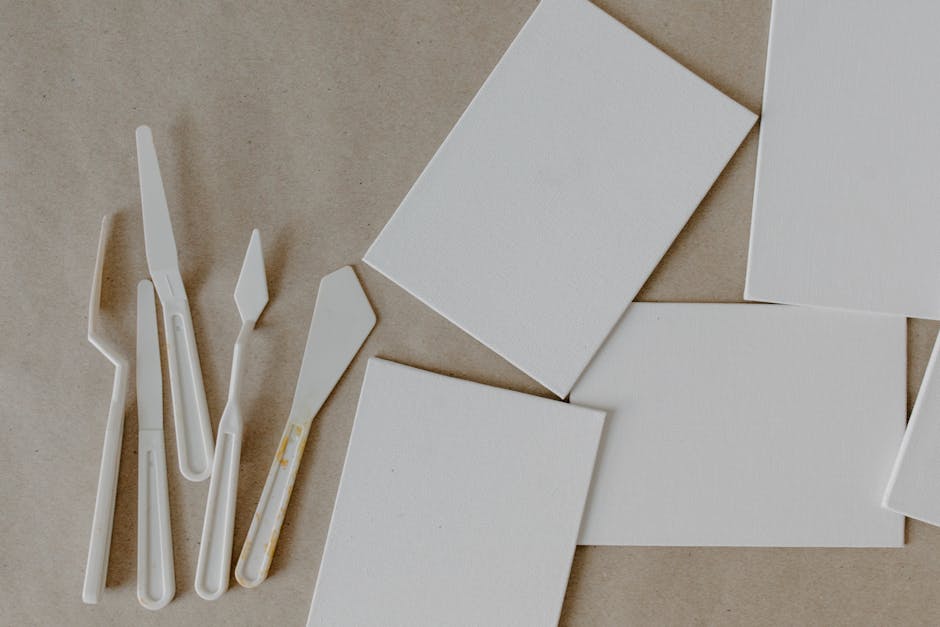
The four formats
Stretched canvas
Fabric pulled over a wooden frame, primed and ready. You paint it and hang it with nothing further to do, which is why it is the default.
Two things to check. The depth: a standard profile is roughly three quarters of an inch and usually wants a frame, while a deep or gallery profile of an inch and a half is meant to hang bare with the painting continued around the sides. And whether the frame has keys, the small wooden wedges in the inside corners that let you tap the canvas tight again if it slackens.
Canvas panel or board
Primed canvas glued to a rigid card or board. Cheaper, completely rigid, takes up almost no space, and will not dent if you lean on it.
The best value for studies and practice by a distance. The drawback is that it needs framing to look finished, and the cheap ones can warp over time.
Canvas pads
Sheets of primed canvas, or canvas-textured paper, bound in a pad. Made for practice and color studies rather than for finished work.
Worth having. Being able to test a mix or try a passage on something you do not care about is the fastest way to improve, and it costs almost nothing.
Canvas rolls
Bulk fabric, primed or raw, that you cut and stretch yourself. Considerably cheaper per square foot and the only sensible option if you paint large or want non-standard sizes.
It does mean owning stretcher bars, a staple gun and canvas pliers, and stretching takes practice.
Cotton or linen
These are not interchangeable quality levels. They are different materials.
Cotton duck is the standard, and it is what almost every canvas you can buy off a shelf is made from. It is inexpensive, takes primer well, and is entirely adequate for anything you are likely to paint. Its weave is slightly irregular, and it is stretchier than linen, so very large cotton canvases can go slack.
Linen is made from flax, has a finer and more even weave, and is stronger for its weight. It stays taut better and it is what portrait and archival painters generally choose. It also costs several times as much.
Buy cotton unless you have a specific reason not to. Nobody has ever looked at a painting and thought less of it for being on cotton.
The other spec worth glancing at is weight, given in ounces per square yard. Heavier duck, around ten to twelve ounces, resists denting and holds tension better than the light stuff on the cheapest canvases.
Priming
Nearly everything sold as artists' canvas comes pre-primed with acrylic gesso, usually labeled universally primed, which means it accepts both acrylic and oil. If that is what you have bought, you can start painting.
For a numbered kit the question is settled before you open the box. oil or acrylic explains which one you have and why.
interference acrylic behaves differently again on a primed surface, and it is worth knowing that before you buy a tube.
Two situations where it matters.
Raw canvas must be primed before oil paint. This is not a preference. The acid in oil paint degrades unprimed fabric over time, and the oil soaks straight through and leaves a dull, sunken film on the surface. Acrylic on raw canvas is chemically fine, though it will soak in and lose its brightness.
Extra gesso gives a smoother surface. If the weave texture bothers you, one or two more thin coats of gesso, each sanded lightly when dry, will fill it. Worth doing for fine detail work and unnecessary otherwise. There is more in our piece on what gesso actually is.
Size, shape and price
Common sizes run from about 5 by 7 inches up to 36 by 48, and standard sizes are worth sticking to for one unglamorous reason: off-the-shelf frames exist for them. An unusual size means a custom frame, which frequently costs more than the painting.
Square and round canvases are available and cost more. Rectangular is standard because most subjects are.
On price, the honest position is that canvas quality matters far less to a beginner than paint quality does. Buy cheap panels, use a lot of them, and spend the difference on paint you will not hesitate to use.
What a paint by numbers canvas is
Different from all of the above in one respect that catches people out.
It is pre-primed cotton with the design printed onto the primed surface as outlines and numbers. That printing is why two pieces of common advice are wrong for it: never apply gesso over a numbered canvas, because gesso is opaque and will bury the lines you paid for, and never iron one, because heat can lift and smear the print. If it arrives rolled, lay it flat under a few books for a day.
The other thing to know concerns unframed kits. A numbered canvas is usually trimmed close to the printed image, so there is not enough margin left over to wrap and staple around stretcher bars afterward. If you want it stretched and hanging, buy the framed version rather than planning to stretch the flat one yourself. Our guide to framing a finished canvas covers the options either way.
Ours are pre-primed cotton, shipped rolled in a tube rather than folded so nothing arrives creased. The framed 12 by 16 and 16 by 20 arrive already stretched on a wooden bar and ready to hang; the unframed 16 by 20 is the same canvas and paints for less, and suits taping or mounting to a board.
The range is in our collection, and we can print one from your own photograph. If you are starting from scratch, the beginner guide is the place to begin.


