


A paint by numbers kit is not treatment, and we are not going to suggest otherwise. What it is: a task with one rule, a visible endpoint, and no decisions to make. For some people that combination is genuinely useful on a bad evening. For others it is irritating. This page is about telling those apart.
An earlier version of this page talked about emotional scars and healing. That was not ours to say and it has been removed. What follows is what the evidence supports, what the activity actually does, and where it sits alongside real support.
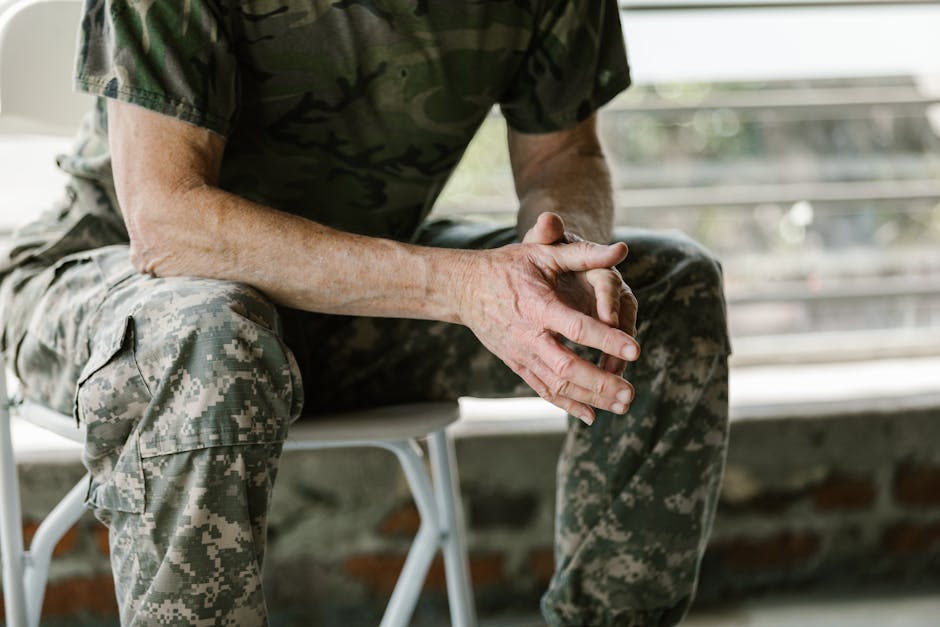
What the research supports, and what it does not
The most useful summary of this field is a review by Heather Stuckey and Jeremy Nobel in the American Journal of Public Health, 2010. It looked across music, visual art, movement and writing, and found evidence that creative engagement can reduce anxiety, stress and mood disturbance.
It is worth reading for how carefully it hedges. The authors state plainly that many studies were small, short, and lacked control groups, and that sweeping conclusions are not yet available. That is the honest position: real, promising, narrower than the internet suggests.
Nobody has run a trial on paint by numbers. If you see a percentage attached to a numbered canvas, someone invented it. There is no study on this product, ours or anyone else's.
The mechanic, which is the part actually worth knowing
Freehand painting is a stream of decisions. What to draw, where it goes, which colors to mix, whether it is going wrong. If your attention is already busy, that stream is the opposite of restful.
A numbered canvas removes all of it. The drawing is supplied, the palette is supplied, and the only live question is which section is a four — printed on the canvas. That is why people describe it as absorbing rather than relaxing. It occupies attention rather than emptying it.
Two things follow from that, and they are the practical reasons it sticks when other hobbies do not:
- It survives interruption. You can stop mid-section and pick up later without losing your place. Very few hobbies tolerate that.
- It leaves an object. Three weeks of evenings produces something on the wall, which is a different feeling from three weeks of television.
Where it fits, and where it does not
It fits as an ordinary hobby that happens to suit a difficult evening. A defined task, a small win every few minutes, and a finished thing at the end.
It does not fit as a substitute for anything clinical. If sleep, anger, drinking or intrusive memories are the problem, that is what the VA and a trained clinician are for. The Veterans Crisis Line is available by dialing 988 then pressing 1, or texting 838255. A box of paints does not belong on that list.
It also will not suit everyone. Some people find the constraint frustrating and are better served by free painting. Some find the fine sections a strain, and the fix there is a bigger canvas rather than more patience.
If you want to try one, five things that decide how it goes
- Choose framed for a first kit. The canvas arrives stretched over wooden bars, taut enough that the brush does not push it away from you, and finished means finished. Unframed canvases are trimmed close to the printed edge and are not reliable to stretch afterwards.
- Set up somewhere you can leave it. The strongest predictor of a finished canvas is whether it has to be unpacked first.
- Light does more than anything you can buy. Most abandoned kits were abandoned because the numbers were a strain to read.
- Twenty minutes counts. Waiting for a free evening means waiting a long time.
- Work one number at a time across the whole canvas before opening the next pot. Fewer rinses, less waste, and the image appears in a way that keeps you going.
Ledgebay is veteran-owned. That is a fact about who runs the company, not a claim about what the paint does, and we would rather keep those separate. If you want the setup and technique side rather than the evidence, the practical guide covers choosing a design and getting it finished.
Common questions
Is paint by numbers art therapy?
No. Art therapy is a mental health profession practised by people with a master's degree and credentials from the Art Therapy Credentials Board. Painting at a kitchen table is a hobby. Both can be worthwhile; they are not the same thing, and the difference matters when someone needs the first one.
Will it help with PTSD?
We have no basis for saying so and will not. Structured activity is calming while you are doing it, which is modest and real. Anything past that belongs to a clinician.
How long does a canvas take?
Ten to twenty hours for most designs, spread over a few weeks. Twenty-four colors is a handful of relaxed evenings; forty-plus is a project.
What if I lose interest halfway?
Common, and not a failure. Stop at a color change rather than mid-shape and it is easy to resume. Plenty of canvases sit for a month and still get finished.


