


Two methods work reliably. Weight the canvas flat, which is slow and completely safe, or iron it from the back through a cloth, which is fast and needs care. A warping stretched canvas is a separate fault from a creased rolled one, with a different fix.
The one thing not to do is iron the painted side. Acrylic paint softens with heat, and a hot plate pressed onto the face of a canvas can dull the finish, lift the printed numbers, or stick to the surface.
Why the canvas arrived creased
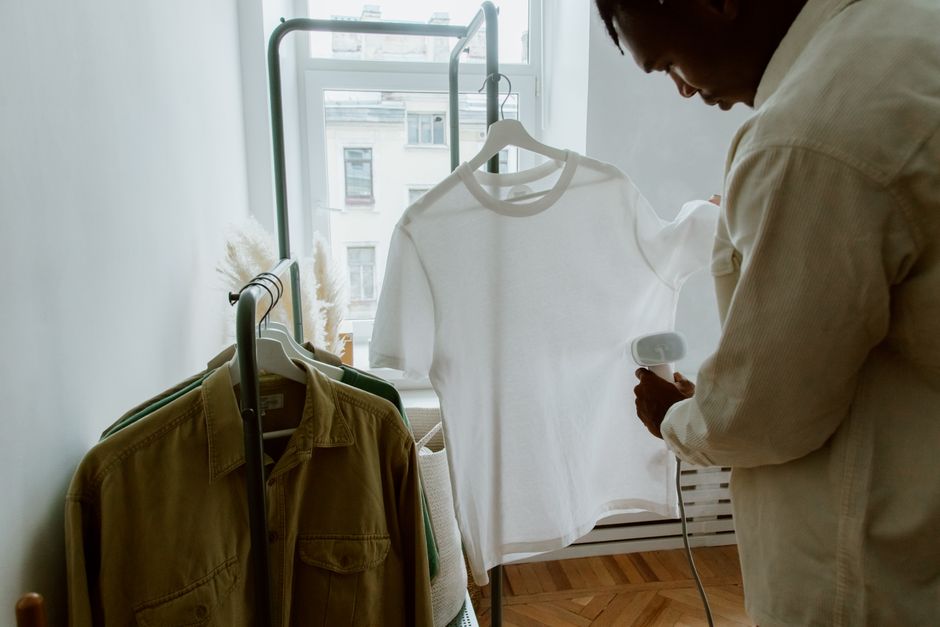
If this is a new paint by numbers kit, the crease almost certainly came from the packaging. Most kits are shipped folded into a flat envelope, which puts a hard crease through the middle of the canvas and often a second one across it. That crease sits in the fibers, and the longer it stays folded the more set it becomes.
Canvas also wrinkles from humidity swings, from being stored rolled too tightly, and from uneven tension if it has been stretched over bars badly. But if the fold lines form a neat cross in the center, that is shipping, not storage.
Method 1: weight it flat
The safest approach, and the one to use on a canvas you have already painted.
- Lay the canvas face up on a clean, flat surface.
- Cover it with a clean sheet or a piece of parchment paper.
- Stack heavy flat objects over the whole surface. Books work well; a single heavy object in the middle does not, because it leaves the edges untouched.
- Leave it for two to seven days.
Deep folds may not disappear entirely, but they will relax considerably. This costs nothing and cannot damage anything, so it is worth trying first.
Method 2: iron it from the back
Faster, and safe if you follow the order carefully.
- Lay the canvas face down on a flat, heat-tolerant surface.
- Lightly dampen the back of the canvas. A fine mist is enough. It should not be wet.
- Place a thin cotton cloth or parchment paper over the back, between the canvas and the iron.
- Set the iron to low or medium, with steam off.
- Keep the iron moving. Do not rest it in one place.
- Let the canvas cool completely before you move or hang it.
That last step matters more than it sounds. Warm acrylic stays soft for a minute or two, and lifting the canvas while it is still warm is when marks get pressed into the surface.
If the canvas is already painted
Be more cautious. Use the lowest heat that does anything, keep the cloth barrier between iron and canvas at all times, and work in short passes. If you have any doubt, use the weighting method instead — a few days of patience is cheaper than a ruined painting. If you do decide to reach for the iron, the temperature and the barrier matter more than the technique.
What not to do
- Do not iron the painted face, with or without a cloth.
- Do not use steam directly on the paint. Moisture belongs on the back, and only a little.
- Do not cut or trim a creased canvas to make it sit flat. You cannot add that material back, and it removes the margin you need if you ever stretch or frame it.
- Do not put it in a dryer or leave it in direct sun. Uneven heat makes the problem worse and can warp the whole sheet.
If you are re-stretching it onto bars
Tension pulls out most minor waviness on its own. Work from the center of each side outward, alternating opposite sides so the pull stays even, and stop before the weave distorts. Overstretching creates a different problem that is harder to undo than a crease.
If framing is the goal, we cover it separately in our guide to framing a finished canvas.
The simplest fix is not getting the crease
This whole problem is created in the packing room. A canvas folded into a flat mailer arrives creased; a canvas rolled in a tube arrives flat.
Our kits ship rolled in a tube rather than folded, and it is the thing our customers mention most often in their reviews — usually because they have been sent a folded one by someone else. One put it plainly: they had bought a kit for their mother from another company and it arrived folded with lines through it.
If you are choosing a kit and have been through this once already, how the canvas is shipped is worth checking before you order. You can see our kits here — every one arrives rolled, with vacuum-sealed paints and a full-size reference print.
A crease through the middle of a painting you spent forty hours on is not something you can fix afterward. It is worth avoiding at the point of purchase.


