


Brushes almost never wear out. They die from paint drying in the base of the hair, up inside the metal ferrule where you cannot see it. Once that has happened the hairs are permanently splayed and no cleaning brings the point back. Everything below is really about preventing that one thing.
The rule that matters most
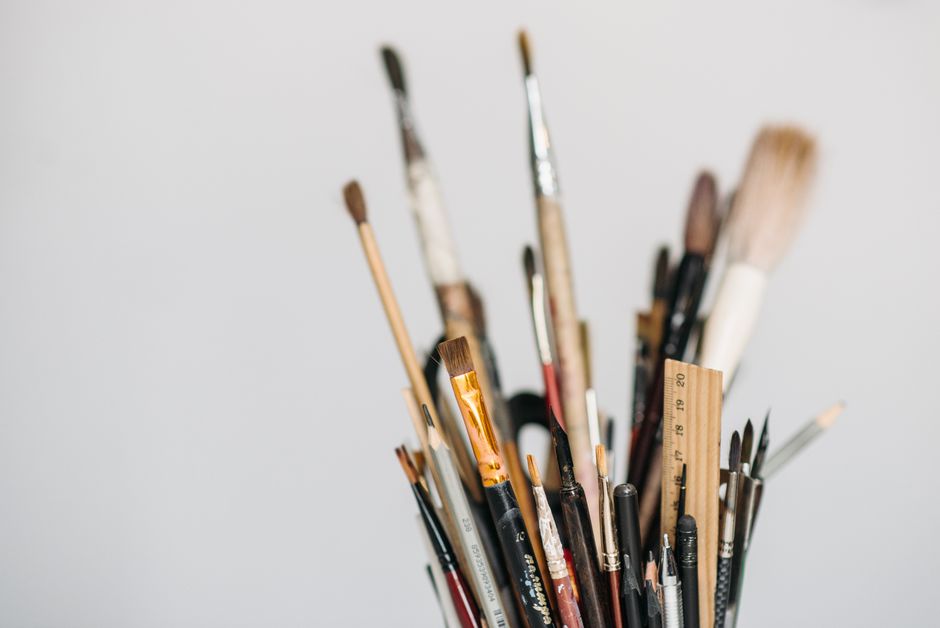
Rinse before the paint sets, not at the end of the evening. Acrylic starts to grip within minutes. If you are pausing to look at something, answer the door, or change color, rinse first. This single habit does more than every technique on this page combined.
The basic clean
- Wipe the excess off on a cloth or paper towel before the brush goes anywhere near water. Most of the paint should never reach the jar.
- Rinse in lukewarm water. Not hot. Hot water softens the adhesive holding the hairs in the ferrule, and it sets some acrylics rather than releasing them.
- Work a little mild soap through the hairs, stroking from the ferrule out toward the tip. Never rub the soap in against the direction of the hair — that is what pushes paint further up into the ferrule.
- Rinse until the water runs clear. Squeeze gently from the ferrule to the tip between rinses. Faint color on the soap means there is still paint in there.
- Reshape the point with your fingers while it is damp. Ten seconds, and it is the difference between a brush that points next time and one that does not.
- Dry flat, or hanging tip-down. Standing a wet brush upright runs water straight into the ferrule, which is how the glue fails and the hairs loosen.
Four things never to do
- Never stand a brush on its bristles in the water jar. This is the most common piece of bad advice about brushes anywhere. It bends the hairs into a permanent curve and holds water against the ferrule for hours.
- Never scrub on the bottom of the jar. It splays the tip, which is exactly what you are trying to protect.
- Never use hot water or a wire brush. Both do more damage than the paint would have.
- Never leave a brush loaded while you take a break. Ten minutes is enough for the paint at the base of the hair to start setting.
Solvent is the wrong answer
You will find advice to deep-clean brushes with solvent. That advice is for oil paint, and it does not transfer.
The paints in a numbered kit are acrylic, which cleans with water. Mineral spirits and turpentine do nothing useful to cured acrylic, and they will damage natural hair and can attack the adhesive in the ferrule.
If a brush has genuinely hardened, the honest answer is that success is limited. A purpose-made acrylic brush cleaner or restorer, used exactly as directed, will sometimes soften partly-cured paint enough to work it out with soap. Isopropyl alcohol occasionally does the same and should be treated as a last resort, since it dries hair out and can loosen the ferrule. Neither will recover a brush that has set solid. At that point a replacement costs less than the effort.
Storing them
Store so nothing touches the tips. Handles-down in a jar is fine. Loose in a drawer is not — brushes rolling against each other is how points get bent between sessions.
Do not seal damp brushes in an airtight container. They need to dry fully, and trapped moisture encourages mold in the ferrule.
Do synthetics need conditioning?
Not really. The advice about conditioning bristles comes from natural hair, which is genuinely hair and dries out. Most brushes supplied with a numbered kit are synthetic, and synthetic filament does not benefit from it. Clean water and reshaping is all it wants.
If you also own natural-hair brushes for watercolor, a dedicated brush soap is worth having — it cleans and conditions in one step, and it is the one product in this category that earns its place.
Two minutes at the end of a session
Rinse, soap, rinse, squeeze, reshape, lay flat. Two minutes, and the same brushes will still point properly on your fourth canvas.
Our longer piece on cleaning fine tip brushes goes further into the detail sizes, and if you are thinking about buying a better brush to work alongside the ones in the kit, our guide to brushes for acrylic painting covers what actually matters. New to the format? Start with the beginner guide, and the designs are in one collection.


