


If a pot of paint has thickened but is still soft underneath, add one or two drops of warm water, stir it thoroughly, and leave it ten minutes. That fixes the great majority of cases. If it has set solid all the way through, it cannot be revived — and this article explains why, so you can tell the two apart before wasting an evening on it.
Why acrylic dries out, and why some of it is permanent
Acrylic paint is pigment suspended in tiny particles of plastic, carried in water. While the water is there, the particles stay separate and the paint stays fluid. As water evaporates, the particles are pulled together and fuse into a continuous film.
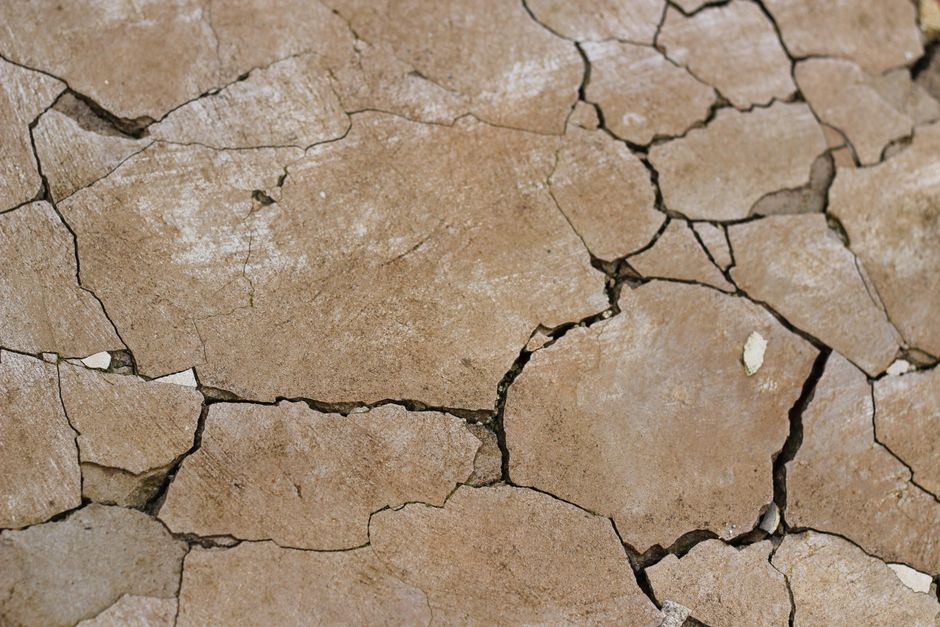
That fusing is the important part, because it only goes one way. Up to the point where the particles have merged, adding water back gets you your paint. After they have merged you have a piece of plastic, and no amount of water will change that.
So the useful question is not how dry the paint is, but whether it has actually cured. Push a toothpick into the pot:
- Thick and sticky, gives way under the toothpick — water will fix it.
- A firm skin with soft paint beneath — lift the skin out, discard it, use what is underneath.
- Solid to the bottom, rubbery or hard — finished. Replace it.
Paint by numbers pots dry out faster than tubes for a simple reason: they are small, shallow and wide, so a large surface is exposed the moment the lid comes off.
Reviving thickened paint
Warm water, a drop at a time
- Add one or two drops of warm water. Warm mixes in faster than cold and thins the paint without weakening the color as much.
- Stir thoroughly with a toothpick or the end of a brush — a minute or two, working right into the bottom corners of the pot.
- Leave it ten minutes for the water to work through, then check the consistency again.
- Repeat if you need to, one drop at a time.
A pipette or eye dropper makes this much easier to control than tipping water in from a brush.
The limit matters. Water thins the paint, but it also dilutes the binder that makes it stick and cover. Push past roughly a quarter water by volume and the paint goes transparent, stops hiding the printed numbers, and can lift off the canvas later. If you find yourself adding a fifth drop, the pot is beyond this fix.
Flow improver
An acrylic flow improver thins the paint without diluting the binder, which makes it the better option when water alone is not enough. A very small amount, mixed in thoroughly, is all it takes — these are concentrated and too much makes the paint watery and slow to dry.
One trade-off worth knowing: thinned paint covers less per pot, so you will get through the color faster. On a large background section that can leave you short.
Paint that has separated
Finding a layer of clear liquid sitting on top of the color looks alarming and is not a problem. Acrylic is an emulsion and emulsions settle. Stir it back together and carry on.
When it is genuinely finished
Two cases are not worth trying to save.
Cured solid. If a drop of warm water stirred in and left overnight has not softened it, it has fused and it is not coming back.
Contaminated. Acrylic can grow mold if water and organic matter get into an open pot left for a long time. It is easier to smell than to see — sour or pungent rather than the usual faint plastic smell. Do not use it on a canvas you want to keep.
In either case, every Ledgebay design has a matched replacement paint set with the same numbered colors as the kit, which saves trying to mix an exact match by eye. There is more on the options in our guide to replacement paints.
Paint that dries darker is not a fault
This one causes more worry than it should, so it is worth stating plainly: acrylic almost always dries slightly darker than it looks wet, and that is normal.
The binder is milky white while wet and turns clear as it dries, so the color underneath comes forward. Every acrylic does this, at every price.
Two practical consequences. Judge a color match only once it is dry, never wet. And if you are testing a mixed color, paint a patch on scrap paper and let it dry properly before deciding.
Keeping paint from drying out in the first place
Prevention is far easier than any of the fixes above.
- One pot open at a time. Paint every section of one color, then close that pot before opening the next. This is the single most effective habit and it also makes the painting go faster.
- Close the lid firmly. Not resting on top — pressed down. Most dried-out pots were left ajar.
- Keep the work out of moving air. A fan, an open window or a heating vent will dry paint on the palette and on the brush faster than you can use it.
- Do not dip the brush into the pot. Take a little onto a palette or a scrap of foil instead. Dipping carries water and other colors back into the supply.
- Keep water and a damp cloth beside you. Wiping the brush between colors beats rinsing it every time and keeps water out of the paint.
- Do not throw away leftovers. Seal what is left — you will want it for touch-ups after the canvas is otherwise finished.
- Store pots upright, somewhere cool and out of direct sun.
Common questions
Does acrylic paint expire?
Unopened and stored sensibly, it keeps for years. Once opened, its life depends almost entirely on how well it was sealed rather than on any date.
Can I use nail polish remover or alcohol to soften it?
No. Solvents will not restore cured acrylic — they break it down. They are for removing paint you want gone, not rescuing paint you want to use.
My paint is gritty rather than stiff. Is that the same thing?
Slightly different. Lumps and grit usually mean partly dried flecks through otherwise usable paint, and straining or picking them out works better than adding water. Our guide to fixing lumpy acrylic paint covers it.
What if I have already painted with paint that was too thin?
Let it dry and put a second coat over it with paint at the right consistency. Thin coats are only a problem when they are the only coat.
In short
Thickened paint is nearly always rescuable with a drop or two of warm water and some patience. Cured paint is not, because the fusing that turns it into a film cannot be undone. Tell them apart with a toothpick before you spend time on it, and keep the lids closed so you rarely have to.
You can see the Ledgebay designs in the shop, or look through the customer gallery.


