


A painting kit for adults is a reasonable way to start, and the difference between one you finish and one that stays in the box is not skill. It is a handful of specific things about what is in the box and how it is packed.
The three kinds of kit
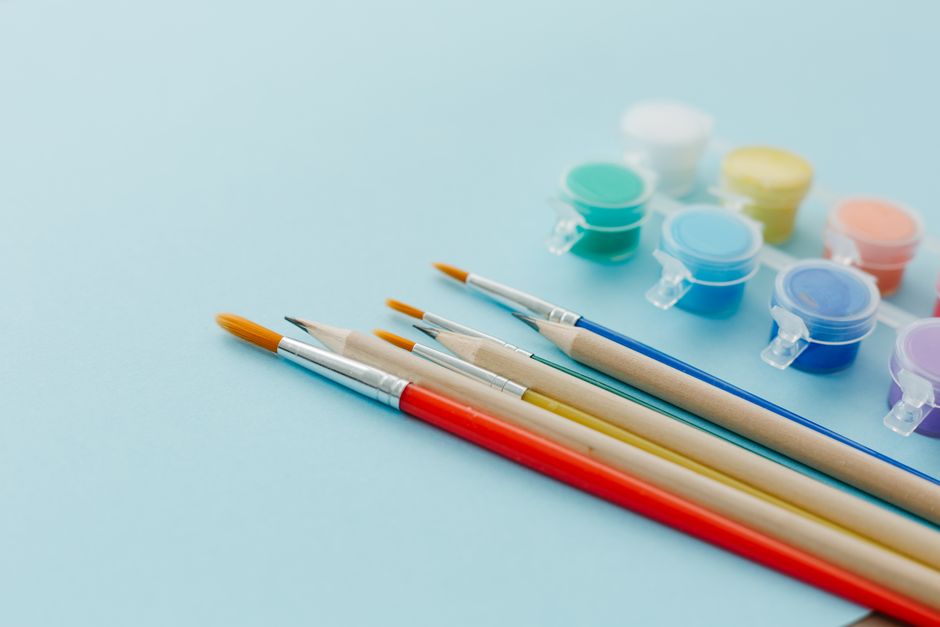
The word covers three quite different products, and buying the wrong one is the commonest disappointment.
A supplies kit. Paints, brushes, a palette, sometimes a blank canvas or two. No design. You are buying materials, and what you do with them is entirely up to you. Good if you already know what you want to paint; a blank canvas plus no plan is exactly what stops most people.
A pre-sketched canvas. A canvas with an outline drawn on it and no numbers. You choose the colors yourself. It removes the drawing but leaves the color decisions, which is a genuine middle ground.
A numbered kit. The outline is divided into numbered regions and the paints are matched to them. Every decision has been made, and there is nothing to choose and nothing to get wrong. This is the one people mean when they want something absorbing for the evening rather than a course of study.
Be honest with yourself about which you want. The supplies kit is the one that most often goes unused, because it asks you a question at the moment you sit down.
What separates a kit you finish
How the canvas ships
The single biggest quality difference in this whole category, and it is invisible in a product photo.
A canvas folded flat into a slim box arrives with hard creases along every fold. They sit exactly where the paint has to go, they catch the brush, and they do not press out. Ironing usually makes it worse and can damage the printing. A canvas rolled in a tube arrives with a soft curl that relaxes overnight under a few books.
Cheap shipping is the only reason folded kits exist. Our note on rolled versus folded canvas goes into it.
Whether the paint is sealed
Kits sit in warehouses for months. Acrylic in a friction-lid pot dries out; vacuum-sealed pots do not. A meaningful share of the one-star reviews across this category are people opening a box to find half the pots skinned over or solid. If the listing does not say how the paint is packaged, assume it is not sealed.
Whether the canvas is primed
Priming is the white ground that stops acrylic soaking into the weave. On an unprimed or thinly primed surface a single coat looks starved and patchy and you end up painting everything twice. You can sometimes spot this in reviews: if several people mention needing two or three coats on every color, the surface is drinking the paint.
Whether there is a full-size reference
Detailed designs have small printed numbers — that is geometry rather than a fault. What saves you is a large printed reference you can hold beside the canvas rather than a thumbnail on a box lid. Ours is 11 by 17 and shows both the finished image and the numbered layout.
Whether you can buy more paint
On most designs one or two colors do the heavy lifting and run low near the end. If the only option is a whole second kit, that problem recurs forever. We keep a matched extra paint set for every design for that reason.
Framed or unframed
Framed means the canvas arrives already stretched over a wooden frame — rigid to paint on and ready to hang the moment you finish. Ours include a small tabletop easel and hanging hardware.
Unframed is a loose canvas. Cheaper, posts flat, and it needs stretching or mounting afterwards, which is a second project most people never get to. One thing to check before assuming you can do it later: some unframed canvases are trimmed so close to the printed edge that there is not enough spare material to wrap around a frame and staple. If hanging it matters, buy framed. Our guide to framing a paint by number canvas covers the options.
What you need beyond the kit
Very little, and this is a short list on purpose.
- A jar of water and a cloth or paper towel for drying the brush between colors. Put the water on the far side of your working hand; knocking it over onto a half-finished canvas is the most common accident in this hobby.
- A lamp you can place to the side. Not overhead. This makes more difference to the experience than anything you could buy, because a side light throws a slight shadow into the printed lines and makes them far easier to read.
- Somewhere it can stay set up. A hobby that has to be fetched and laid out gets done half as often as one already on a table.
Optional and genuinely useful: a magnifier if the design is detailed, and one decent size 0 or 1 round brush from an art shop, which is the single best small purchase for this hobby if you find the kit brushes coarse for fine work.
What is not worth buying
An earlier version of this page recommended painter's tape, rollers, drop cloths, spackling, a putty knife and an extension pole. That is a list for painting a wall, and it arrived here by mistake. None of it has anything to do with painting a canvas.
Also skip, at least at the start: a full studio easel (a tabletop one is right for a 12 by 16 or 16 by 20), a large set of extra paints, brush-cleaning solutions (soap and warm water is all acrylic needs), and any gadget promising to make the numbers easier to see. A lamp and a magnifier do that.
Getting started
- Let the canvas lie flat overnight under a few books if it has a curl.
- Set the light up before the paint.
- Photograph the blank canvas, so if you cover a number later you can zoom in and find it.
- Work one color at a time right across the canvas, background before foreground, top downward.
- Do the darks before the lights. Pale colors are thin and will cover a dark that has strayed; the reverse rarely works, and pale colors need two coats regardless.
- Only the pot you are using should be open.
Choosing the design
Difficulty in this category is per design, not per brand. Zoom into the product photo and look at the smallest areas: broad shapes and clear color blocks finish, dense speckled detail often does not.
And choose a subject you actually want to look at for twenty hours. That sounds obvious and it is the thing people get wrong most often, because a design chosen on difficulty rather than on interest becomes a chore in week two.
Our own range is 39 licensed original designs — landscapes, wildlife, cabins, coastlines and florals. There is no abstract work, no portrait line, no reproductions of famous paintings and no children's range, so if that is what you are after we do not have it. The descriptions in the full collection say what is harder about each design rather than only what is appealing about it, and if none of them suit you, a custom kit from your own photograph uses the same materials.
If this is a first canvas, our beginner's guide walks through one from opening the box, and what is in a paint by numbers kit covers each component in more depth.


