


Artsy describes someone whose interest in art shows up in how they live — what they make, what they hang on the wall, how they dress, what they notice. It is not a job title and it does not require any training. It sits somewhere between having good taste and actually making things.
The word carries a mild double edge, which is worth knowing. Used warmly it means creative and visually attentive. Used dryly it can suggest someone performing creativity rather than practicing it. Tone decides which one you are getting.
What being artsy actually looks like
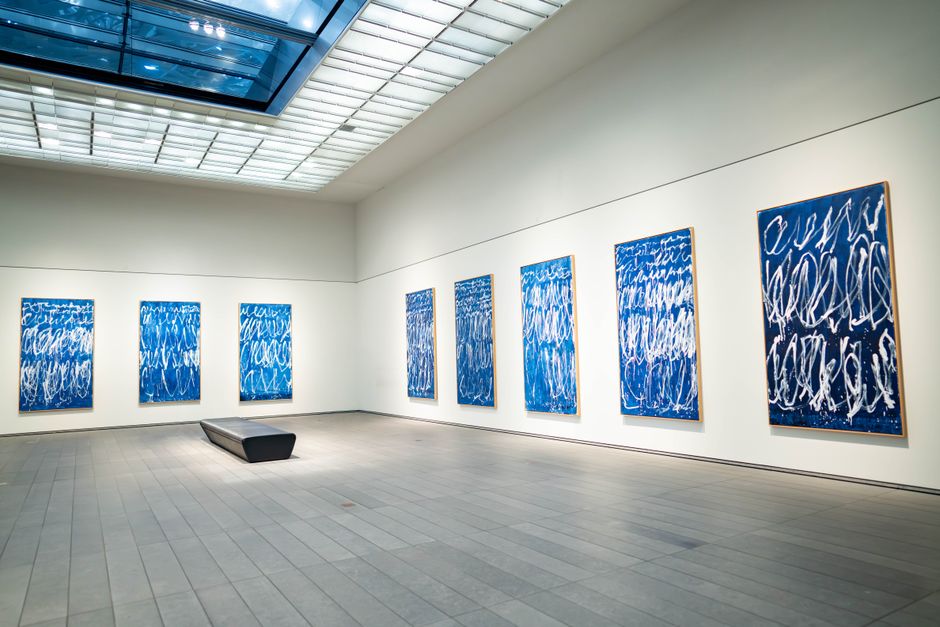
Less about talent than about attention. Artsy people tend to:
- Notice color, light and composition in ordinary places — a shadow on a wall, the color of a sky before rain.
- Make things, not necessarily well and not necessarily to show anyone.
- Care how their surroundings look, and treat that as worth spending time on.
- Find galleries, exhibitions and other people's work genuinely interesting rather than dutiful.
None of that requires being good at drawing. Appreciation and practice are separate things, and plenty of deeply artsy people cannot draw a straight line.
Artsy, artistic, or an artist?
These get used interchangeably and they are not the same.
- Artsy is about sensibility — the way someone's interest in art shows in daily life.
- Artistic describes ability. Someone artistic can make the thing.
- An artist is someone who makes art seriously, usually with the time and intention that word implies.
You can be any one of the three without the others.
If you want to be more of it
The gap between appreciating art and making something is smaller than it looks, and it closes with practice rather than with talent.
- Look properly. Visit a gallery and spend ten minutes with one painting rather than two minutes with thirty. Note what the artist did with light and with edges.
- Make something regularly. A small thing often beats a large thing rarely. Consistency is what develops an eye.
- Try more than one medium. Drawing, painting, photography and ceramics each teach a different way of seeing.
- Accept that early work is poor. Everyone's is. It is not a signal about your prospects.
A low-stakes place to start
If the blank canvas is the obstacle — and for most people it is — a paint by numbers kit removes it. The composition and the colors are decided, so what you are practicing is brush control, patience and mixing, which are the parts that carry over to anything else you try later.
It is not a substitute for making original work, and nobody should pretend otherwise. It is a way of spending an evening with a brush in your hand and having something to show for it, which is usually where an interest in art starts.
You can see the Ledgebay designs in the shop, turn one of your own photographs into a custom canvas, or look through the customer gallery to see what other people have made.


