


The binder is the part of acrylic paint that is not pigment. It is a milky suspension of acrylic polymer in water, and its job is to hold the pigment together, stick it to the surface, and dry into a tough, flexible film. Every tube and pot of acrylic already contains it.
You can also buy it on its own, and that is where it becomes useful rather than merely interesting.
What it does
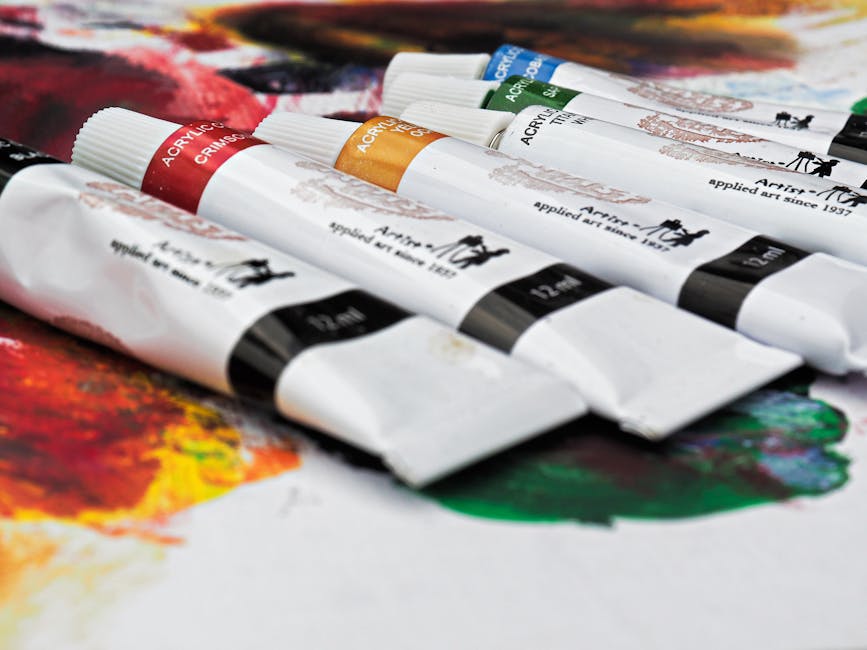
Three things, and the properties of the paint follow from all three.
- It holds the pigment. Pigment on its own is colored powder. The binder locks the particles into a continuous layer so they stay where you put them.
- It sticks to the surface. Adhesion is the binder's doing, not the pigment's. This is why paint that has been over-thinned with water peels — there is no longer enough binder to grip.
- It forms the film. As the water evaporates the polymer particles are drawn together and fuse. That fusing is one-way, which is why dried acrylic cannot be softened again.
The useful visual clue: acrylic binder is white when wet and clear when dry. That is why acrylic dries slightly darker than it looks in the pot — the milkiness disappears and the color underneath comes forward. It is normal, universal, and not a defect in the paint.
Binder, medium, gel, paste
These get used interchangeably in shops and they are not the same thing. All of them are built on the same acrylic polymer; what differs is thickness and what has been added.
Binder, or polymer medium
The polymer emulsion itself, sold with no pigment in it. Fluid, roughly the consistency of thin cream. Use it to extend paint, make transparent glazes, or thin paint without weakening it.
Mediums
Binder with something added to change how the paint behaves — a gloss or matte medium changes the sheen, a flow improver makes it spread more easily, a retarder slows the drying. They alter properties rather than thickness.
Gels
Thicker and usually transparent. Mixed into paint they build body and hold a brush or palette-knife mark, which is how impasto texture is made. They dry clear, so the color stays true even though there is much more volume.
Pastes
Thickest of the four, and usually opaque because they contain filler such as marble dust. Used to build real relief on a surface, or spread flat and sanded to make a smooth ground. Because they are opaque they lighten and dull any color mixed into them.
Why this is worth knowing
The practical payoff is one rule that solves a common problem.
Water thins acrylic but also dilutes the binder. Medium thins it without doing so.
Up to about a quarter water by volume, the paint is fine. Past roughly half, there is not enough binder left to hold the pigment to the surface, and the paint chalks, lifts or peels away later. If you want paint thinner than that — for a glaze, a wash, or a watercolor effect — thin it with medium instead and the film stays sound at any dilution.
The same applies to reviving a pot that has thickened. A drop or two of water is the right first move, but if you find yourself adding more and more, you are weakening the paint rather than fixing it. Our guide to reviving dried paint covers where the limit sits.
Other things binder is used for
- Glazes. A little color in a lot of binder gives a transparent layer that shifts the color underneath without hiding it.
- Isolation coats. A thin layer of gloss medium between a finished painting and its varnish, so the varnish can be removed later without lifting the paint.
- Collage and mixed media. Acrylic binder is a strong adhesive, which is why gel medium is standard for sticking paper and fabric to a canvas.
- Sealing an absorbent surface so paint sits on top of it rather than sinking in.
What to look for
Rather than a brand, decide three things and the right product follows:
- Thickness. Fluid medium for glazing and thinning, gel for texture, paste for relief.
- Finish. Gloss deepens color and reflects. Matte scatters light and slightly lightens darks. Satin sits between.
- Clarity. Anything you mix into color should dry clear. Opaque pastes will lighten it.
Buy a small bottle of gloss medium first. It is the most useful single one and it covers glazing, thinning and isolation coats.
Does any of this apply to a paint by numbers kit?
Not much, and that is worth saying rather than pretending otherwise. Kit paints arrive premixed at the right consistency for filling printed sections, and adding medium to them mostly makes the job harder.
The one place it helps is if you start working beyond the numbers — glazing a warm tone over a sky, or building texture on foliage. Our guide to making a paint by numbers canvas look better covers where that is worth doing.
Otherwise, the useful takeaway is the simple one: the binder is what makes the paint stick, and water is the thing that dilutes it. Keep that in mind and most acrylic problems explain themselves.
You can see the Ledgebay designs in the shop, or browse the customer gallery.


